
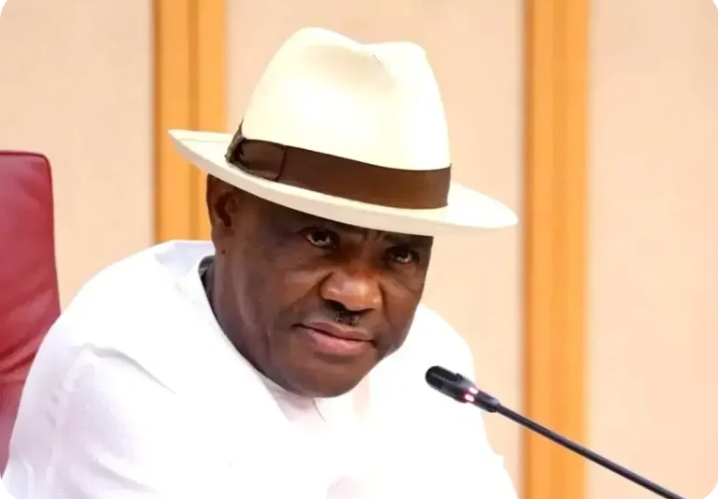

The Minister of the Federal Capital Territory (FCT), Nyesom Wike, has stated that he is one of the most criticised politicians in Nigeria, second only to President Bola Ahmed Tinubu.
Wike made the remark on Friday during a media chat with journalists in Abuja, where he addressed public criticism and ongoing political developments.
According to the former Rivers State governor, he has received an unprecedented level of backlash in the course of his political career.
“I think no politician has received more abuse than I have. I think, after the President, I am the one receiving the highest level of abuse,” he said.
Despite the criticism, Wike maintained that his focus remains on delivering his responsibilities as FCT Minister rather than responding to public attacks.
The minister also highlighted the difficulties associated with tax collection, noting that many Nigerians are reluctant to pay taxes while expecting government services.
“To collect tax is not an easy thing. How many Nigerians like to pay tax? And they want everything free of charge… It’s not easy,” he stated.
He further explained that the Federal Capital Territory Administration (FCTA) receives only about one percent of federal revenue allocations, which he said is insufficient to meet key obligations such as salary payments and infrastructure development.
On political developments, Wike dismissed concerns that the Peoples Democratic Party may lose relevance ahead of the 2027 general elections.
He assured that the party would participate fully in the elections and continue to maintain its presence across different levels of government.
According to him, the focus should not be solely on winning the presidency but on strengthening the party’s structure at state and local levels.
Wike emphasised that political relevance is sustained not just through control of the presidency, but also through influence at grassroots and subnational levels.
The minister’s comments come amid ongoing political realignments and growing discussions about the future of major political parties in Nigeria ahead of the next general elections.
