
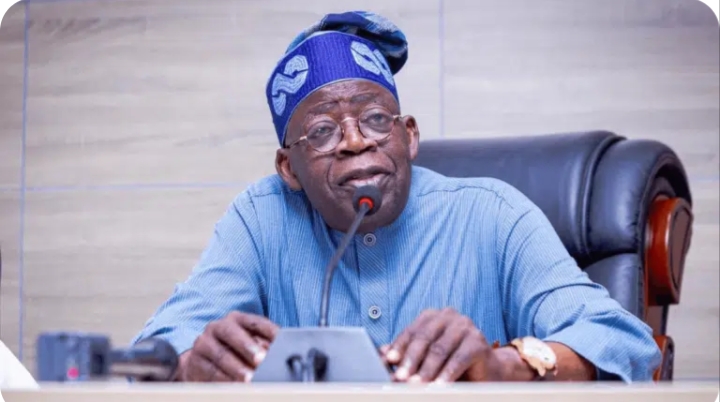

The administration of President Bola Tinubu is reportedly negotiating a fresh $1.25 billion loan facility with the World Bank to support economic reforms, job creation, and investment growth in Nigeria.
According to reports, details of the proposed facility were contained in a World Bank document titled “Nigeria Actions for Investment and Jobs Acceleration.”
The document revealed that negotiations between Nigeria and the global financial institution have reached an advanced stage, with the proposed loan expected to be presented for approval on June 26, 2026.
If approved, the facility would become one of Nigeria’s largest recent borrowings from the World Bank, second only to the $1.5 billion reform financing package approved in June 2024.
The Federal Republic of Nigeria is listed as the borrower, while the Federal Ministry of Finance is expected to serve as the implementing agency for the programme.
According to the World Bank, the proposed funding is aimed at supporting the Federal Government’s reform agenda in critical sectors of the economy.
The facility is expected to expand access to finance, digital services, and electricity while also strengthening competitiveness through reforms in taxation, trade, and agriculture.
The World Bank stated that the project has already passed key internal review stages and is progressing toward final approval by its Board of Executive Directors.
Reports indicate that discussions on financing terms, policy actions, and reform commitments have largely been concluded between both parties.
The latest development comes amid increasing public concern over Nigeria’s rising debt profile and growing reliance on external borrowing.
As of December 31, 2025, Nigeria’s external debt reportedly stood at $51.86 billion, while the country’s total public debt climbed to approximately $110.97 billion.
Between June 2023 and May 2026, the World Bank approved about $9.35 billion in loans and credits for Nigeria across sectors including power, healthcare, education, agriculture, renewable energy, social protection, and economic reforms.
Meanwhile, the Accountant-General of the Federation, Shamseldeen Ogunjimi, recently warned that Nigeria could reconsider future World Bank loan arrangements if delays in approval and disbursement continue beyond six months.
He stressed that prolonged bureaucratic delays could negatively affect project implementation timelines and national development plans, urging the World Bank to accelerate the processing and release of approved funds.
