
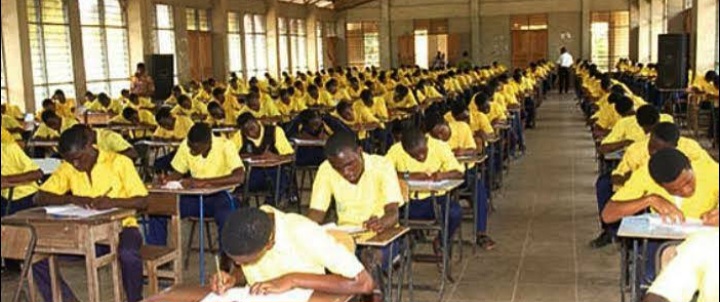

The Federal Government has unveiled a major shake-up of Nigeria’s basic education system, announcing plans to abolish the long-standing Junior Secondary School Common Entrance Examination and replace it with a continuous assessment model.
Minister of Education, Tunji Alausa, disclosed that the reform will be supported by a nationwide Learner Identification Number designed to monitor each pupil’s academic journey from primary school through secondary education.
According to the minister, the new system will track pupils from Primary One, ensuring that their academic records follow them seamlessly, even when they change schools.
The initiative, he explained, is aimed at improving accountability and reducing the number of children who fall through the cracks.
Alausa raised alarm over the current state of progression in public schools, revealing that out of more than 23 million pupils enrolled at the primary level, only about 3 million transition to junior secondary school. He described the gap as a serious concern that demands urgent intervention.
“The data shows a significant drop-off,” he noted, emphasizing that the government must address barriers preventing millions of children from continuing their education.
As part of the reforms, the government will assign a unique Learner Identification Number to every child.
This digital tracking system is expected to help authorities monitor attendance, academic performance, and identify pupils who drop out of school.
The minister also called on state governments to urgently expand school infrastructure, warning that the current capacity is insufficient to absorb the growing number of school-age children.
In addition, efforts are underway to revive the national school feeding programme, a policy widely seen as critical to boosting enrolment and retention in public schools.
The planned overhaul forms part of a broader strategy by the federal government to improve access, strengthen data-driven decision-making, and ensure that more Nigerian children remain in school through the completion of their basic education.
