
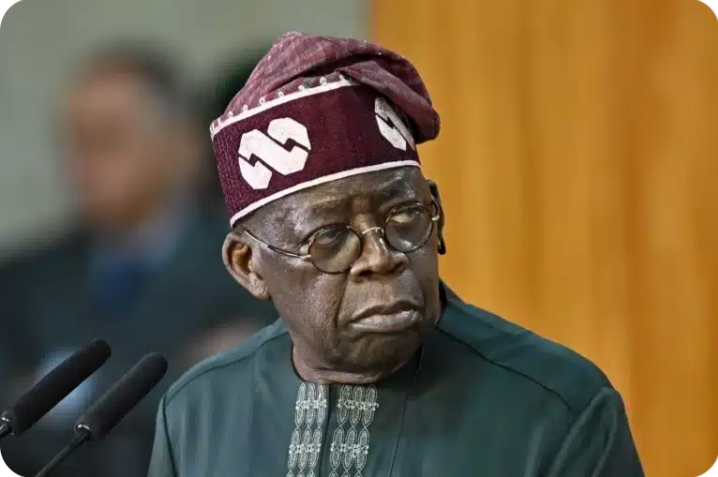

A Professor of Economics at the Lagos Business School, Bongo Adi, has described the newly approved $6.9 billion external loan secured by Bola Ahmed Tinubu as part of a broader strategy to tackle poverty and stimulate development across key sectors of the Nigerian economy.
Speaking on a television programme, Adi explained that the borrowing plan reflects the government’s attempt to address worsening economic hardship by investing in infrastructure and development projects.
The National Assembly recently approved the loan request, with a directive that 40 per cent of the funds be channelled into capital projects captured in the 2025 and 2026 budgets. The move, lawmakers say, is intended to ensure that the facility directly supports economic growth and development.
According to Adi, Nigeria is currently facing one of the most severe poverty crises in its history, making such financial interventions inevitable despite public concerns.
He noted that the government’s decision to borrow is based on economic rationality, as it seeks to maximise available resources under existing fiscal constraints.
“The level of poverty we are confronting in Nigeria is unprecedented,” he said, adding that authorities are likely focused on mobilising funds to drive sectoral development and reduce economic hardship.
However, the economist painted a sobering picture of current living conditions, stressing that many Nigerians are yet to feel the positive impact of ongoing reforms.
He argued that while macroeconomic indicators may show signs of improvement, these gains have not translated into tangible benefits at the grassroots level.
Adi further explained that Nigeria’s external reserves estimated at around $50 billion have strengthened creditor confidence, making it easier for the country to secure loans.
He added that long repayment timelines, often spanning five to ten years, may also make borrowing more attractive to policymakers, as the burden is spread over time.
Despite these considerations, he acknowledged growing public dissatisfaction, noting that rising hardship continues to shape negative perceptions about government borrowing.
He attributed this to persistent structural challenges, particularly in infrastructure and the power sector, which continue to limit productivity and economic expansion.
The economist also highlighted the lingering effects of major policy decisions such as fuel subsidy removal and foreign exchange reforms, which, although necessary, have intensified financial pressure on households and businesses.
While he admitted that some progress may be occurring at the macroeconomic level, largely driven by developments in the oil sector, he maintained that the overall impact remains insufficient for many Nigerians.
Adi concluded that unless economic gains begin to reflect more clearly in everyday life, public resistance to additional borrowing may continue to grow.
