

Global oil markets surged sharply on Monday following coordinated U.S. and Israeli attacks on Iranian targets, stoking fears of supply disruptions in the Middle East.
Brent crude jumped nearly 10%, trading above $80 per barrel, while U.S. West Texas Intermediate (WTI) also saw significant gains, reflecting heightened market anxiety over regional stability.
“The military attacks themselves are driving oil prices up, but the key concern is the Strait of Hormuz,” said Ajay Parmar, director of energy and refining at ICIS. “Any disruption there could have serious global implications.”
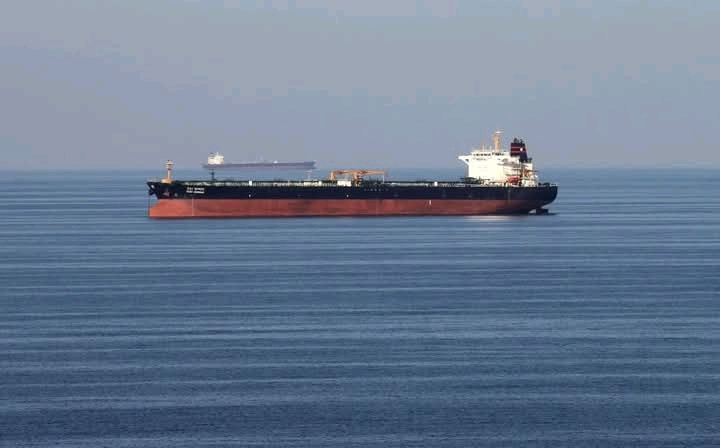
The Strait of Hormuz, through which roughly 20% of the world’s oil passes, is a critical chokepoint.
Analysts warn that any extended closure or threat to shipping lanes could trigger further price spikes and increased volatility in global energy markets.
The attacks targeted key Iranian infrastructure, including energy facilities, prompting retaliatory threats from Tehran. Traders are closely watching developments, with fears that the conflict could escalate and affect oil exports from other regional producers.
Energy experts note that the sudden price surge highlights how geopolitical tensions continue to exert outsized influence on global markets.
“Markets are reacting to uncertainty as much as actual supply disruption,” Parmar added.
The coming days are expected to be closely monitored by investors, policymakers, and consumers alike, as the situation in Iran remains fluid and the potential for wider regional instability grows.
