
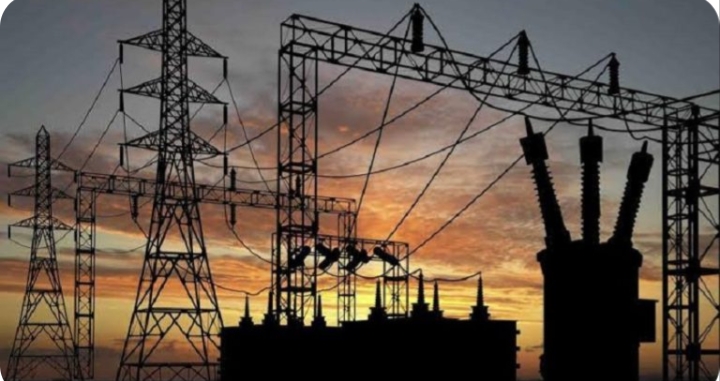

Nigeria may face a worsening electricity crisis in the coming weeks as gas suppliers threaten to halt supply to power generation companies over a massive unpaid debt running into trillions of naira.
The warning was issued by the Chief Executive Officer of the Association of Power Generation Companies, Joy Ogaji, who disclosed that gas producers are demanding partial payment of an outstanding ₦3.3 trillion before continuing supply.
Ogaji revealed this during an interview on Fresh FM, explaining that the development is already contributing to the persistent power outages currently being experienced across the country.
According to her, Nigeria’s electricity generation system is under serious strain because many thermal power plants rely heavily on gas to operate.
She noted that inadequate gas supply has significantly reduced the capacity of the Nigerian National Grid, which reportedly generated only about 3,334 megawatts of electricity as of Wednesday.
Ogaji explained that the situation stems largely from financial difficulties within the electricity value chain, which have left power generation companies unable to meet payment obligations to gas suppliers.
She stated that gas suppliers have insisted that continued supply would depend on immediate payments.
“Gas is not available because the suppliers have said if we need gas, we must put money on the ground to get gas into the pipelines. We owe them a lot,” she said.
Electricity Sector Debt Climbs to ₦6.8 Trillion
Ogaji further disclosed that the Federal Government’s total financial obligation to power generation companies has risen sharply to ₦6.8 trillion as of February 2026.
She explained that the debt accumulated gradually over several years due to persistent payment shortfalls in the sector.
According to her breakdown, the debt profile had reached about ₦4 trillion between 2015 and December 2024. In 2025 alone, a monthly shortfall of roughly ₦200 billion added another ₦2.4 trillion to the total debt.
She noted that the debt continued to grow in 2026, increasing to ₦6.6 trillion in January and ₦6.8 trillion in February.
Ogaji stressed that the growing debt burden is a major factor behind the ongoing electricity shortages affecting the country.
Government Responds to Power Crisis
Reacting to the development, the Minister of Power, Adebayo Adelabu, said the Federal Government is already taking steps to address the issue.
Through his spokesperson, Bolaji Tunji, the minister said the matter is being handled jointly with the Minister of State for Petroleum (Gas), Ekperikpe Ekpo.
Nigerians Turn to Generators Amid Power Shortages
Nigeria has been grappling with persistent electricity shortages since late last year, leaving households and businesses struggling with unstable power supply.
As a result, many Nigerians have increasingly relied on petrol and diesel-powered generators to meet their energy needs.
However, the cost of running generators has also surged due to rising fuel prices. Market surveys indicate that petrol now sells for over ₦1,100 per litre, while diesel prices have climbed to around ₦1,600 per litre.
Analysts attribute the rising fuel costs partly to global crude oil price increases triggered by geopolitical tensions involving the United States, Israel and Iran.
