
Bayelsa Boat Tragedy: FG Releases ₦250M Relief, Demands Answers Over Deadly Incident

The Federal Government has announced a ₦250 million financial intervention for families affected by the tragic boat accident at the Oweikorogha/Otuan River Junction in Southern Ijaw Local Government Area of Bayelsa State, while calling for a comprehensive investigation into the circumstances surrounding the incident.
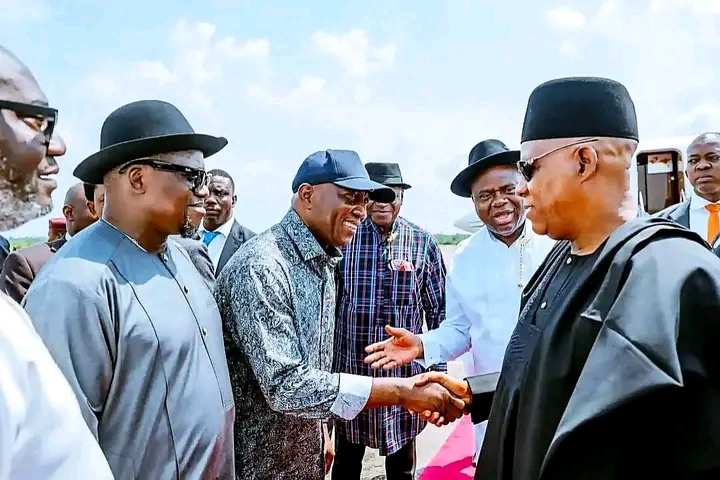
Vice President Kashim Shettima announced the intervention during a visit to Bayelsa State, where he represented President Bola Ahmed Tinubu in conveying the Federal Government’s condolences and solidarity to the affected families and the Bayelsa State Government.
The financial commitment is expected to provide support to families affected by the tragedy, which has once again brought the safety of inland water transportation in Nigeria into sharp focus.
Speaking during the visit, Shettima emphasised the necessity of a thorough investigation to establish the circumstances that led to the accident, stressing the importance of identifying possible lapses and ensuring that appropriate measures are taken to prevent similar occurrences.
The Vice President also called for stricter enforcement of existing safety regulations on Nigeria’s inland waterways, noting that protecting the lives of passengers must remain a priority for relevant authorities.
He stressed the need for improved regulatory compliance and more effective safety oversight across the country’s waterways to forestall avoidable accidents and safeguard the lives of commuters, particularly in riverine communities where water transportation remains a major means of mobility.
The Federal Government’s intervention comes amid renewed concerns over the vulnerability of waterway users and the need for stronger institutional measures to address recurring boat accidents across riverine communities in the Niger Delta and other parts of the country.
Beyond the financial assistance, the call for a comprehensive investigation raises important questions about the effectiveness of existing waterway safety mechanisms, regulatory enforcement and the responsibilities of relevant agencies in preventing avoidable maritime tragedies.
For the affected families, the ₦250 million intervention represents a measure of government support in the aftermath of the tragedy. However, the broader expectation remains that the investigation will produce meaningful findings and translate into concrete safety reforms capable of preventing a recurrence.
The incident has once again reinforced the urgent need for all stakeholders, particularly government agencies, water transportation operators and regulatory authorities, to treat passenger safety as a fundamental responsibility rather than an administrative formality.
